
When you are preparing for IVF, you often feel like you have very little control. The doctors control the medications, the clinic controls the schedule, and biology controls the outcome.
But there is one powerful area where you are in the driver's seat three times a day: your diet.
This isn't about "perfect eating" or adding stress to an already stressful process. It's about fueling your body with the raw materials it needs to produce healthy eggs, build a receptive uterine lining, and recover from the physical demands of treatment.
In this evidence-based guide, we'll cut through the noise of "fertility superfoods" and look at what clinical research actually says about nutrition and IVF success.
1. The "Gold Standard": Why the Mediterranean Diet Wins
If you Google "IVF diet," you'll find a million opinions. But if you look at scientific studies, one pattern emerges consistently: the Mediterranean Diet.
A 2018 study published in Human Reproduction found that women who adhered strictly to a Mediterranean-style diet had a significantly higher likelihood of achieving pregnancy and live birth via IVF compared to those who didn't.
Why does it work?
It’s likely due to inflammation. IVF is an inflammatory process (poking ovaries, hormonal shifts). A diet rich in antioxidants and healthy fats helps calm systemic inflammation, creating a more hospitable environment for egg development and implantation.
How to "Go Mediterranean" (Simply)
You don't need to move to Greece. Just shift your ratios:
| Eat MORE of This | Eat LESS of This |
|---|---|
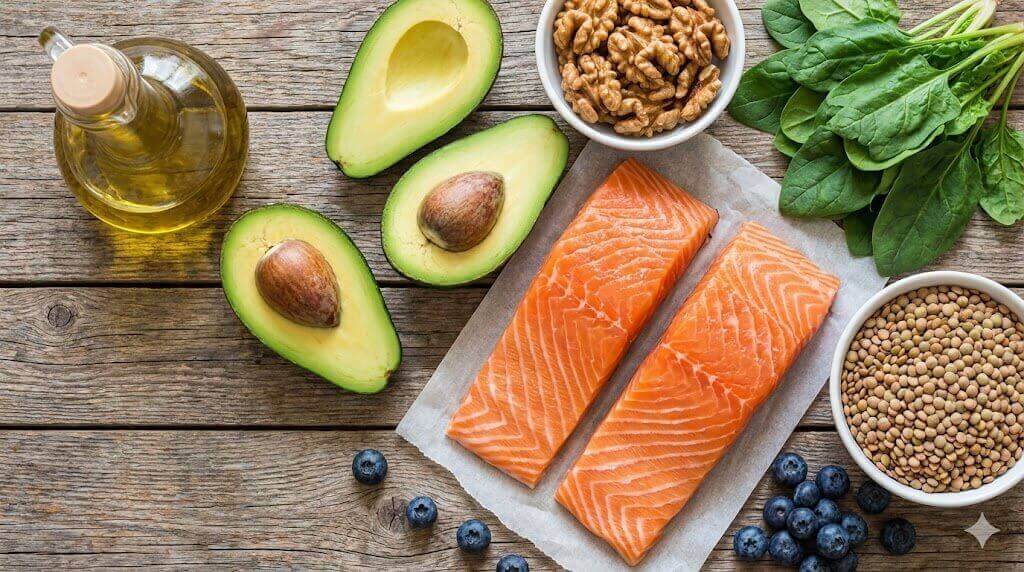
| Plant-based proteins (beans, lentils, chickpeas) | Red meat (beef, pork, especially processed meats) |
| Healthy fats (olive oil, avocado, nuts, seeds) | Trans fats (fried foods, processed snacks) |
| Fatty fish (salmon, sardines, mackerel) | High-mercury fish (swordfish, king mackerel) |
| Whole grains (quinoa, brown rice, oats) | Refined carbs (white bread, sugary pastries) |
2. Fueling Egg Quality: The 90-Day Window
It takes approximately 90 days for an egg to mature before it is released (or retrieved). This means what you eat today impacts the eggs that will be retrieved three months from now.
Top Nutrients for Egg Quality
- CoQ10 (Coenzyme Q10):
- Role: Acts as a battery for your cells (mitochondria). Eggs are massive cells that need huge energy to divide correctly.
- Food Sources: Organ meats, oily fish, spinach. (Note: It's hard to get therapeutic doses from food alone; ask your doctor about supplements).
- Omega-3 Fatty Acids:
- Role: Regulates hormones and increases blood flow to the uterus.
- Food Sources: Salmon, walnuts, chia seeds, flaxseeds.
- Folate (Natural Vitamin B9):
- Role: Essential for DNA synthesis and preventing neural tube defects.
- Food Sources: Dark leafy greens (spinach, kale), lentils, asparagus, avocado.
- Full-Fat Dairy:
- Interesting research from the Nurses' Health Study II suggested that full-fat dairy was associated with better fertility outcomes than low-fat dairy.
- Tip: Swap your skim milk for a small serving of full-fat Greek yogurt or whole milk.
3. What to Eat During Stimulation (Stims)
During the stimulation phase, your ovaries are growing rapidly. Many women experience bloating, constipation, and discomfort. Your diet goals shift here: hydration and digestion.
The "Anti-Bloat" Strategy
- High Protein: Essential for egg growth. Aim for lean chicken, fish, eggs, and tofu.
- Electrolytes: Instead of just plain water (which can sometimes flush you out too much), sip on electrolyte-rich drinks. Coconut water or water with a pinch of sea salt and lemon can help maintain fluid balance.
- Fiber (With Caution): You need fiber to prevent the dreaded "stims constipation," but too much raw roughage (huge salads) can cause gas. Opt for cooked vegetables and warm soups which are easier to digest.
Foods to Limit During Stims
- Excess Sodium: Salty processed foods will make water retention and bloating worse.
- Gassy Veggies: Broccoli, cauliflower, and cabbage can increase gas pain. Cook them well if you eat them.
- Alcohol: Most clinics recommend stopping alcohol once stims begin. It can dehydrate you and potentially interfere with medication metabolism.
4. The "Pineapple Core" Myth and Other Old Wives' Tales
You will inevitably hear about eating pineapple core to help implantation. Let's look at the science.
- The Theory: Pineapple contains bromelain, an enzyme that acts as a mild anti-inflammatory and blood thinner.
- The Reality: There are no clinical studies proving pineapple improves IVF implantation.
- The Verdict: If you like pineapple, eat it! It’s healthy. But don't force-feed yourself the tough core thinking it’s a magic bullet. It’s likely the placebo effect giving you comfort—which is valuable in itself!
Other Common Myths:
- "Cold foods cause a 'cold uterus'." (No scientific evidence, but warm foods are often easier to digest).
- "McDonald's fries after transfer." (A fun community tradition, but the massive salt load isn't actually medically helpful!).
5. Sample 3-Day IVF-Friendly Meal Plan
Here is a practical example of how to put this into practice without spending hours in the kitchen.
Day 1
- Breakfast: Oatmeal with walnuts, chia seeds, and blueberries (antioxidants + healthy fats).
- Lunch: Mediterranean quinoa salad with chickpeas, cucumber, olive oil, and feta.
- Dinner: Baked salmon with roasted asparagus and sweet potato.
- Snack: A handful of Brazil nuts (selenium) and an apple.
Day 2
- Breakfast: Full-fat Greek yogurt with honey and sliced almonds.
- Lunch: Leftover salmon and quinoa bowl.
- Dinner: Lentil soup with a side of whole-grain toast (warm and easy to digest).
- Snack: Hard-boiled egg and carrot sticks.
Day 3
- Breakfast: Avocado toast on whole-grain bread with a poached egg.
- Lunch: Grilled chicken breast with cooked spinach and brown rice.
- Dinner: Turkey meatballs with whole-wheat pasta and marinara sauce.
- Snack: Banana with almond butter.
6. What About Caffeine and Alcohol?
This is the most asked question.
- Caffeine: You don't usually need to quit cold turkey. ASRM guidelines suggest that moderate caffeine (under 200mg/day—about one 12oz coffee) does not appear to affect fertility outcomes. However, many women switch to decaf or herbal tea for peace of mind.
- Alcohol: The research is mixed, but the safest route is to minimize or abstain during your cycle. Alcohol is a toxin that your liver has to process, and during IVF, your liver is already busy processing high levels of hormones.
7. A Note on Supplements
Never start new supplements without telling your Reproductive Endocrinologist (RE). Some herbs can interact with anesthesia or hormonal meds.
Standard Recommendations often include:
- Prenatal Vitamin (with Folate)
- Vitamin D (if levels are low)
- Fish Oil (Omega-3)
- CoQ10 (Ubiquinol form is often preferred for absorption)
Conclusion: Nourish, Don't Punish
The most important "ingredient" in your IVF diet is kindness.
If you eat a slice of pizza or have a cookie, you have not ruined your cycle. Stressing about every bite releases cortisol, which is arguably worse for you than a little sugar.
Focus on crowding out the less nutritious foods by adding in more greens, healthy fats, and proteins. Think of every meal as an opportunity to deposit a little more fuel into your body's bank account before the big withdrawal of egg retrieval.
Next Steps
- Stock your pantry with olive oil, nuts, and frozen berries.
- Hydrate with water and electrolytes.
- Consult your clinic about specific supplements like CoQ10.